
9 Warning Signs Your Siding Needs Repair (Before Water Gets In)
Nine warning signs your siding needs repair, from cracked boards to bulging panels, and why acting early protects Lower Mainland homes from water damage.
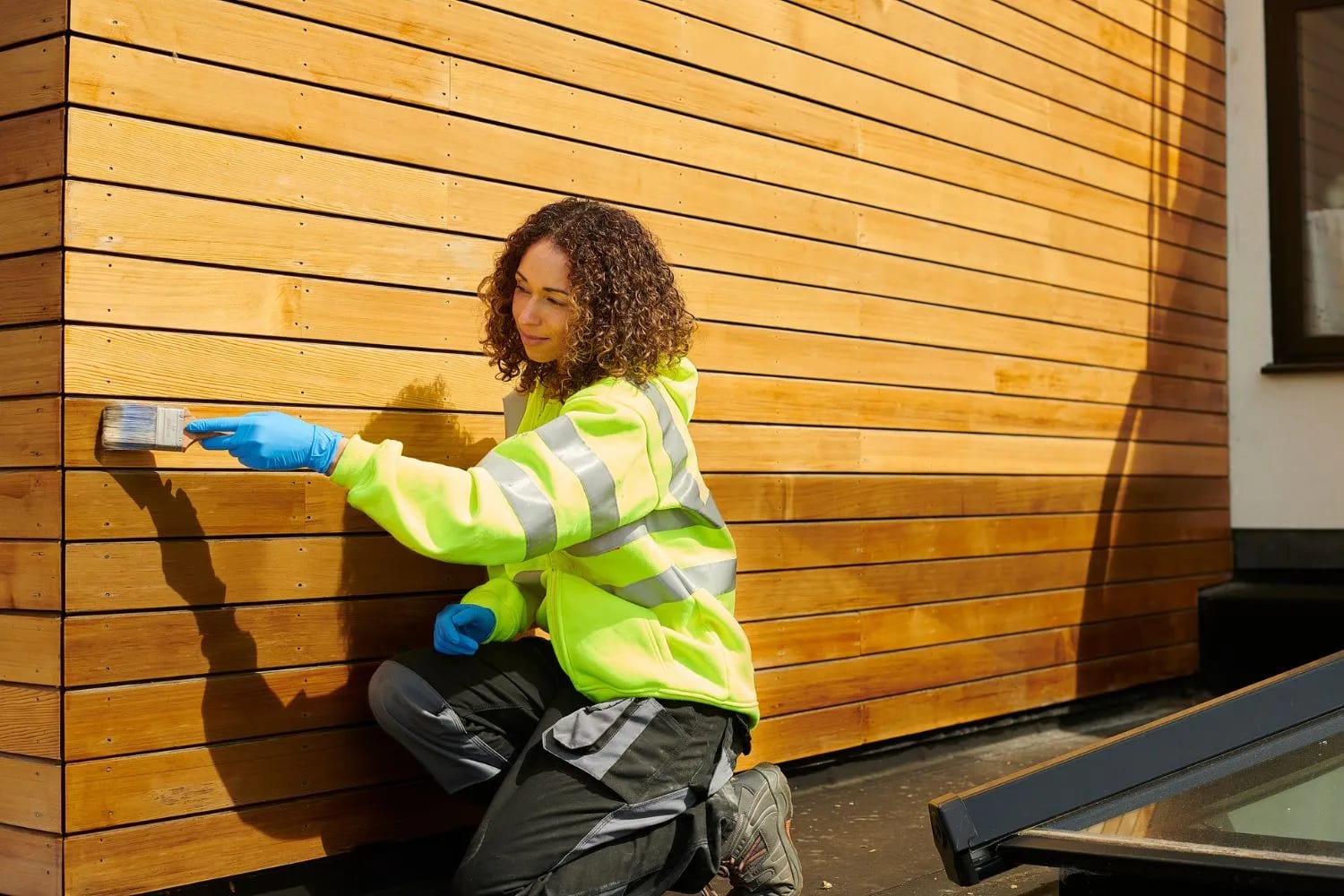
Siding rarely fails all at once. It sends warnings first: cracks, gaps, bulges, stains, and paint that will not stay put. In the Lower Mainland, where walls absorb months of wind-driven rain every year, catching these signs early is the difference between a small repair and opening up a rotten wall. Here are the nine warnings worth acting on.
1. Cracks, Splits, and Holes
The most direct warning. Cracked vinyl, split cedar boards, and holes from impacts or woodpeckers all give water a path behind the cladding. Small openings matter more than they look, because wind-driven rain in our region hits walls almost horizontally and gets pushed into any gap. Isolated cracks are a quick fix for a siding repair crew; spreading networks of cracks suggest the material is becoming brittle with age.
2. Warped, Cupped, or Buckled Boards
Siding should lie flat. Boards that cup, twist, or ripple have usually absorbed moisture, been installed with wrong fastening, or been stressed by heat. Warping matters for two reasons: it opens gaps that let water in, and it is often a symptom that moisture is already cycling through the material. Press gently on a warped section. If the surface flexes or feels soft underneath, the problem has moved past the cladding.
3. Loose or Rattling Panels
If panels rattle in wind or visibly lift at the edges, fasteners have failed or the interlock between panels has let go. The Lower Mainland's fall and winter windstorms will find every loose panel and work it looser until it tears off entirely, usually taking neighbouring pieces with it. Re-securing a loose panel is one of the cheapest repairs on this list, and one of the easiest to postpone until it becomes expensive.
4. Peeling Paint or Bubbling Finish
When paint peels or bubbles on siding, the cause is often behind the surface: moisture in the material pushing outward as it tries to escape. If you repaint without solving the moisture source, the new coat fails the same way. Persistent finish failure on one wall, especially a weather-facing one, is a signal to have the wall assessed rather than repainted.
5. Soft or Rotting Spots
Probe suspicious areas on wood or wood-composite siding with a screwdriver. Sound material resists; rot gives way. Soft spots mean water has been sitting in the material long enough to break it down, and rot rarely confines itself politely to the boards you can see. Common starting points are bottom edges near grade, joints around windows and doors, and anywhere splash-back from hard surfaces keeps the wall wet.
6. Stains, Streaks, and Tea-Coloured Runs
Vertical streaks below windows, joints, or penetrations show where water is concentrating and overflowing instead of draining away. Rust stains point to corroding fasteners or flashing. Dark tea-coloured runs from behind cedar or engineered wood can indicate the material is saturated. Staining is your wall drawing you a map of its drainage failures. Follow the streak upward and you will usually find the failed caulk joint or flashing that caused it.
7. Mould, Algae, and Green Film That Keeps Returning
Some surface algae is normal on shaded north walls in coastal BC and washes off. The warning sign is growth that returns quickly after cleaning, or mould concentrated in one patch. Both indicate that area of the wall is staying wet, either from poor drying, failed gutters above, or moisture escaping from inside the wall assembly.
8. Gaps at Trim, Corners, and Penetrations
Caulking and gaskets around windows, doors, hose bibs, vents, and corner trim age faster than the siding itself. Shrunken, cracked, or missing sealant at these joints is one of the most common water entry points we find. This also applies overhead: gaps where siding meets soffit panels at the roofline let wind-driven rain into the wall from above. These joints are inexpensive to maintain and expensive to ignore.
9. Warning Signs Indoors
Sometimes the wall tells you from the inside first. Watch for damp or discoloured patches on exterior-facing walls, musty smells in specific rooms, peeling interior paint near windows, or unexplained cold drafts along one wall. Any of these paired with exterior symptoms means water is likely past the cladding, and the assessment should happen soon. If moisture has been running for a while, the fix may involve drying and rebuilding parts of the wall, which is where water damage restoration work begins.
Why Early Action Pays Off Here
Every one of these warnings follows the same trajectory in a coastal climate. Stage one is cosmetic and cheap to fix. Stage two, water behind the cladding, means wet building paper and sheathing that dry slowly through our long rainy season. Stage three is structural rot and interior damage, where the project stops being a siding repair and becomes a wall rebuild. The gap between stage one and stage three is often just a couple of unattended winters, which is why the Lower Mainland rewards homeowners who inspect in fall and deal with small findings promptly.
What To Do When You Spot a Warning Sign
Start with a full walk-around and photograph everything you find, dated. Distinguish between isolated damage, which points to repair, and repeated failures across multiple walls, which point toward bigger decisions. For the full framework on making that call, including material options and what a replacement involves, see our homeowner's guide to siding repair and replacement in the Lower Mainland.
Then get a professional set of eyes on it. A good assessment checks not just the visible damage but the flashing, the caulking, and where possible the condition behind the cladding, so you fix the cause and not just the symptom.
Berkana Construction Management repairs siding across Maple Ridge and the Lower Mainland, and has since 2019. If your walls are showing any of these nine signs, call (672) 771-6868 or book an assessment before the next rain front tests them for you.