
Why the Smart Time to Insulate Your Walls Is During a Siding Replacement
Why a siding replacement is the practical moment to add exterior insulation, and how upgraded walls cut heat loss in Lower Mainland homes year round.
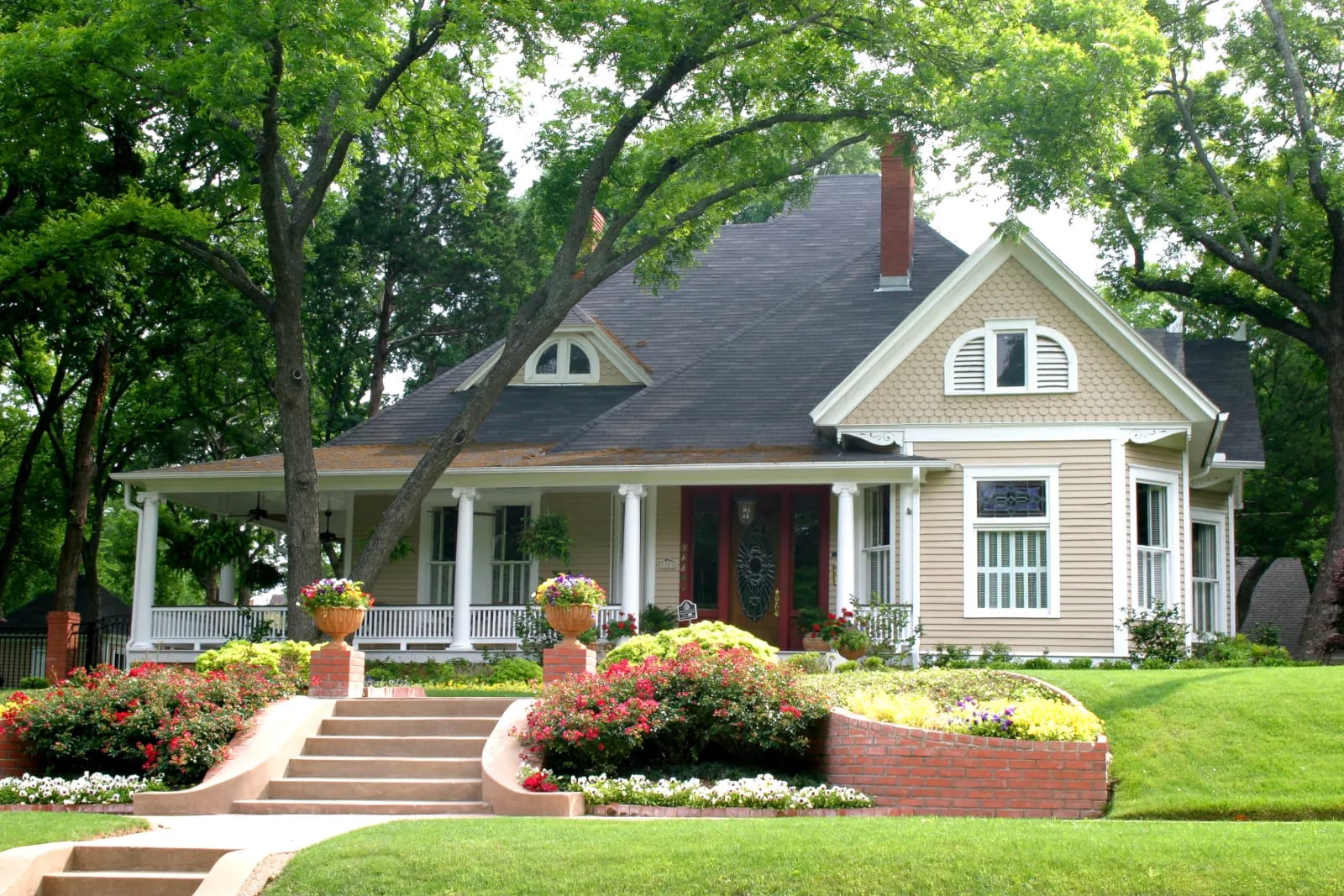
If you are replacing your siding anyway, that project is the practical moment to insulate your walls from the outside. The expensive part of an exterior insulation job, stripping the cladding and rebuilding the wall layers, is already included in a siding replacement, so the insulation itself becomes an incremental upgrade instead of a standalone project. For Lower Mainland homes, the payoff is warmer walls in winter, cooler rooms in the warm stretches, and a wall assembly that manages moisture better than it did before.
The One-Time Window
Continuous exterior insulation lives between your sheathing and your cladding. There is no way to install it without removing the siding, which is why it almost never makes sense as its own project and almost always deserves consideration during a siding replacement.
Think of the sequence of a replacement: old cladding off, sheathing repaired, new water-resistive barrier on, strapping, new siding. Adding insulation changes exactly one step: rigid boards go on over the membrane before the strapping. Every other cost, the tear-off, the disposal, the flashing work, the scaffolding, the new cladding, you were paying anyway. Skip the insulation now and the next realistic opportunity arrives when this new siding wears out, decades from now.
Why Lower Mainland Walls Benefit
Heat loss happens through the studs
Most local homes have insulation between the studs, but the studs themselves conduct heat straight through the wall. Wood framing typically makes up a meaningful fraction of a wall's area, and every stud, plate, and header is a thermal bridge that batt insulation cannot address. Continuous exterior insulation wraps the entire wall, studs included, which is why building codes and energy programs increasingly favour it. The result is a higher real-world performance than the same thickness of insulation stuffed between framing.
Warmer sheathing is drier sheathing
Here is the building science point that matters most in our climate. In winter, indoor moisture migrates into wall cavities, and if it reaches a cold surface it condenses. In a conventional wall, the coldest surface is the back of the sheathing. Exterior insulation moves the sheathing to the warm side of the insulation, keeping it above the temperature where condensation forms for far more of the year. In a region where walls get limited drying opportunity from October to April, that margin is valuable.
Comfort you can feel from across the room
Cold interior wall surfaces radiate cold at you and drive drafts even when the air temperature reads fine. Insulated walls have warmer interior surfaces, which means rooms feel comfortable at lower thermostat settings, and the house rides through cold snaps and heat waves with less swing.
How It Goes Together
A typical exterior insulation retrofit during a replacement in coastal BC looks like this:
- Tear-off and repair. Old cladding and building paper come off; sheathing and framing issues get fixed while everything is visible.
- Water-resistive barrier. A new membrane goes over the sheathing, lapped and taped as the wall's drainage plane.
- Rigid insulation. Boards, commonly mineral wool in our climate because it is vapour-open, water-shedding, and non-combustible, are fastened over the membrane in a continuous layer.
- Strapping and rainscreen. Vertical strapping through the insulation into the framing creates the drained, ventilated cavity BC construction practice calls for, and gives the cladding solid attachment.
- Extended details. Window and door openings, sills, and penetrations are extended and flashed to suit the thicker wall. This detailing is where an experienced installer earns their keep.
- New cladding. Fibre cement, cedar, vinyl, engineered wood, or metal panels finish the wall. The insulation layer is compatible with any of the claddings we install; see our exterior insulation page for how we approach the assembly.
Common Questions From Homeowners
Two concerns come up in nearly every conversation. The first is moisture: does wrapping a wall in insulation trap water in a rainy climate? Properly detailed, the opposite is true. Vapour-open mineral wool over a drained rainscreen cavity lets the wall dry outward, and the warmer sheathing condenses less moisture in the first place. The risk lives in sloppy detailing, not in the concept.
The second is whether the added thickness causes problems at windows and doors. It changes the details, not the feasibility. Openings get extension jambs, new sills, and flashing designed for the deeper wall, work that is folded into the replacement scope. On the finished house, the extra depth reads as pleasant, substantial window reveals rather than anything unusual.
What It Means for Your Project
Be direct about the trade-offs. Exterior insulation adds material and labour scope to a replacement, extends the schedule somewhat, and thickens the wall, which requires proper extension detailing at openings. In exchange you get lower heat loss for the life of the house, a sheathing layer that stays warmer and drier, quieter rooms, and walls that feel warm to stand beside in January.
Provincial and federal energy retrofit programs have at times offered incentives for wall insulation upgrades, and eligibility rules change, so it is worth checking what is current in BC before your project starts.
If you are still weighing whether your siding needs replacement at all, start with our homeowner's guide to siding repair and replacement in the Lower Mainland, then bring the insulation question into your contractor conversations early, because it shapes the quote, the details, and the schedule.
Berkana Construction Management installs siding and continuous exterior insulation together across Maple Ridge and the Lower Mainland. If a replacement is on your horizon, call (672) 771-6868 or get in touch and we will price the project with and without the insulation upgrade so you can compare honestly.