
What Drives the Cost of a Siding Project? 9 Factors Explained
The nine factors that move a siding quote up or down, from material and wall height to hidden rot and trim detail, explained without sales spin for BC homes.
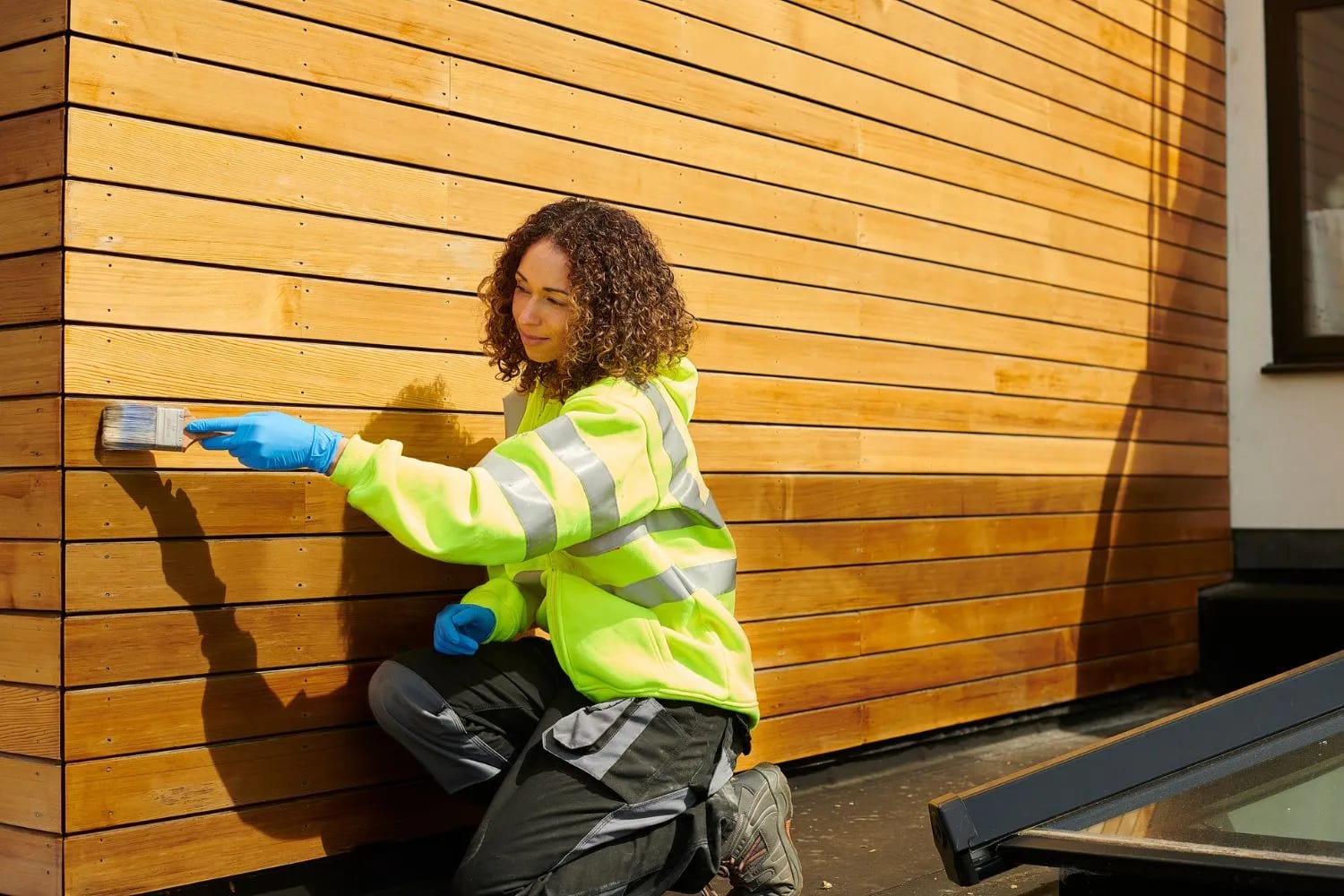
Two neighbouring houses can receive very different siding quotes, and neither number is wrong. The price of a siding project is the sum of nine largely independent factors: how much wall there is, how hard it is to reach, what goes on it, what is hiding under it, and how much detail work the design demands. Understanding each factor lets you read a quote intelligently instead of just reacting to the total.
1. Wall Area, Plain and Simple
Cladding is estimated by area, so the amount of wall is the foundation of every quote. Note that wall area does not track house size neatly. A tall narrow home can carry more siding than a sprawling rancher, and gables, dormers and bays add surface that floor plans never show. This is why serious quotes follow a measure, not a phone call.
2. Material Choice
The spread between materials is one of the widest variables you control. Vinyl sits at the accessible end, engineered wood and fibre cement occupy the middle and upper-middle range, and cedar, metal and architectural panel systems occupy the premium tiers. Material choice also drives labour: products that need precise cutting, joint flashing and finishing take more crew hours per wall than products that snap together. Our materials overview compares the options in depth.
3. Height and Access
A crew that can work from ladders moves faster than one that needs scaffolding, and scaffolding itself takes time to erect, inspect and dismantle. Three-storey walls, steep lots, tight side yards, and obstacles like sunrooms or extensive landscaping all slow production. Access is the factor homeowners most often overlook when comparing their quote to a neighbour's.
4. What Is Under the Old Cladding
No one knows the condition of your sheathing until tear-off, so quotes handle the unknown differently: some carry an allowance for repairs, others price them as they are found. Homes with a history of leaks, planter beds against walls or failed caulking tend to reveal more damage. This factor is the most common reason a final invoice differs from the original quote, and a contractor who talks about it openly before signing is doing you a favour.
5. The Layers You Do Not See
Modern BC wall practice is more than cladding. Building wrap, flashings, rainscreen strapping and insect screening all belong in the assembly, and adding exterior insulation while walls are open is a popular upgrade. Each layer adds material and labour, and each one earns its keep over the life of the wall. When one quote is noticeably lower, missing layers are the first place to look.
6. Trim, Corners and Architectural Detail
A simple box takes far less detail work than a home with multiple gables, belly bands, shadow boards, mixed cladding types and feature walls. Every corner, transition and reveal is cut, flashed and finished by hand. Character costs hours, and hours appear in the quote. If the budget is tight, simplifying trim details often frees more room than changing the primary material.
7. Openings and Tie-Ins
Every window, door, vent and hose bib interrupts the cladding and demands flashing and sealing. A wall with many openings takes disproportionately longer than a blank one. This is also where scope decisions multiply: replacing tired windows and doors during the siding project costs less overall than doing it two years later, because the wall is only open once.
8. Removal and Disposal
Old cladding has to come off, get sorted and get hauled away. Heavy materials such as old stucco cost more to remove and dispose of than lightweight vinyl. Multiple existing layers, which turn up on older homes more often than you would expect, add both labour and disposal volume. Ask what the quote assumes about what is coming off the walls.
9. Season, Schedule and Crew
Demand in the Lower Mainland peaks in the dry months, and schedules fill accordingly. Flexibility on timing sometimes creates options, but the more durable savings come from planning: a project booked well ahead avoids rush premiums, keeps material lead times comfortable and lets the crew sequence your home properly rather than squeezing it between other jobs.
The Factors Interact
One reason siding budgets confuse people is that these nine variables multiply rather than add. A premium material on a simple one-storey box can land close to a mid-range material on a tall, detailed home with difficult access, because the labour factors compound the material factors. The same logic works in your favour: a home that scores easy on access, openings and detail gets more material for the same overall commitment. When you adjust one variable, ask your contractor how it ripples through the others rather than assuming a straight swap.
How to Use These Factors
When quotes arrive, resist ranking them by total. Instead, check each one against these nine factors: what material, what layers, what allowance for hidden damage, what assumptions about access and disposal. The goal is not the lowest number; it is the most honest description of the project your walls actually need. For the broader decision of repairing versus replacing in the first place, see our complete guide to siding repair and replacement in the Lower Mainland, and when you are ready for a scope built on a real measure, a proper siding replacement assessment is the next step.
Berkana Construction Management provides detailed written quotes across Maple Ridge and the Lower Mainland, with every factor above spelled out so you know exactly what you are comparing. Call (672) 771-6868 or book your assessment to get numbers grounded in your actual walls.