
Paint It or Replace It? An Honest Framework for Aging Siding
A framework for deciding whether aging siding is worth repainting or ready for replacement, based on substrate condition, age and failure patterns.
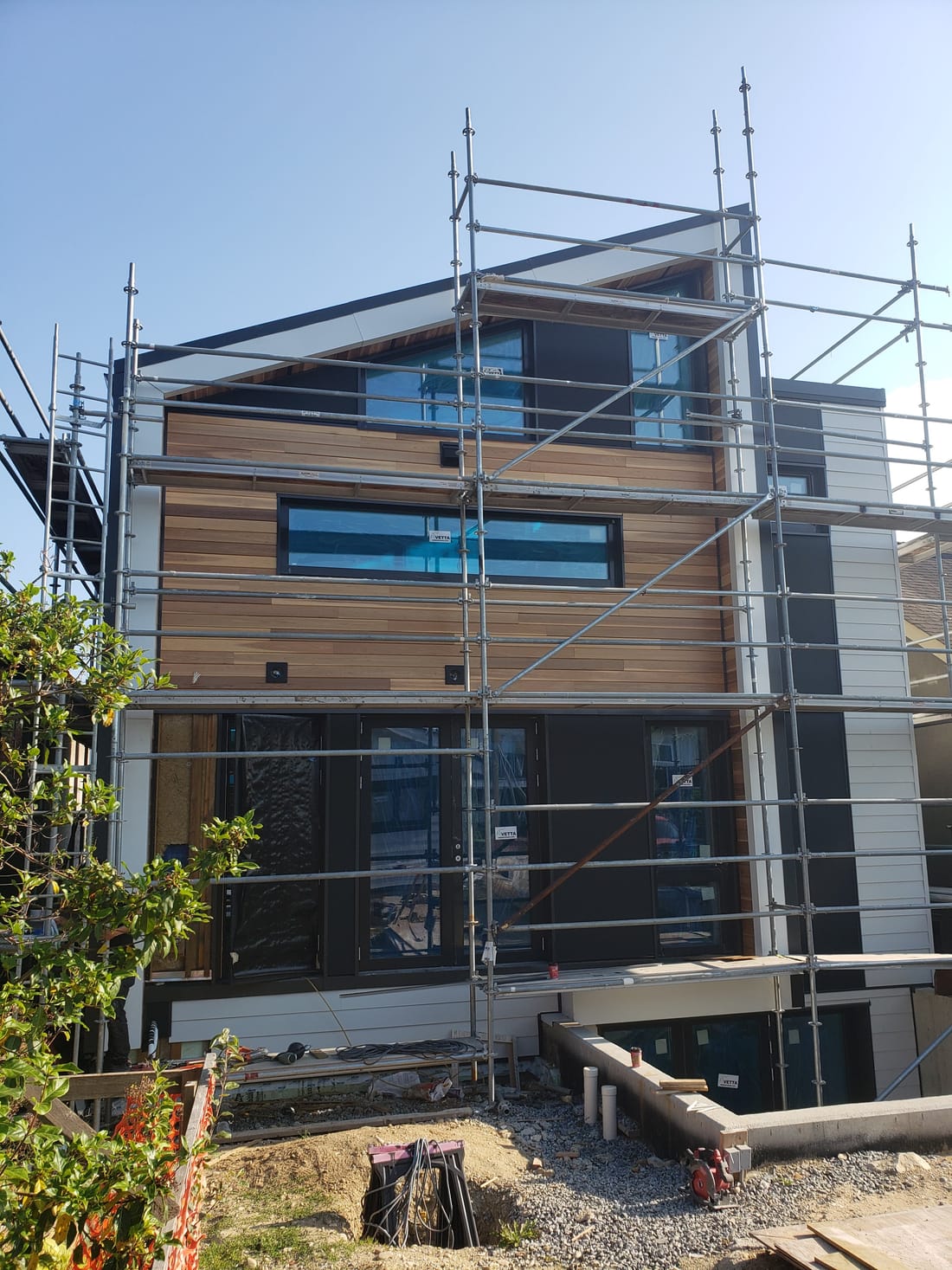
Here is the decision in two sentences. Paint solves surface problems on structurally sound siding: faded colour, chalking, a worn finish protecting good material underneath. Replacement solves material problems: rot, swelling, brittleness, chronic moisture, and failures that repaint after repaint cannot hold back. The whole framework is about figuring out which category your walls are in, honestly.
Why This Decision Goes Wrong So Often
Painting costs a fraction of recladding, so the pull toward the brush is strong, and plenty of homes get painted when they needed more. The result is predictable: the fresh coat looks good for a season or two, then fails over the same damaged substrate, and the owner has spent real money to delay a decision rather than make one. The opposite error happens too: sound, well-drained walls get torn off because they looked tired, when preparation and paint would have delivered another decade for far less.
The antidote to both mistakes is the same: judge the substrate, not the surface.
Step One: Read the Material, Not the Colour
Walk every wall and test what the siding is made of today, not what it looked like from the driveway.
- Probe for softness. Press a screwdriver gently into suspect areas, especially bottom edges, butt joints, and trim around openings. Sound material resists. Softness means decay is already inside, and paint does not fix decay.
- Check for swelling and distortion. Cupped boards, swollen edges on composite products and wavy panel lines indicate moisture cycling through the material.
- Look for brittleness. Aged vinyl that cracks at light impact, or wood that splinters dryly at fastener lines, has lost the flexibility coatings depend on.
- Map the pattern. Isolated damage on one or two walls argues for siding repair plus paint. The same failure repeating on every elevation argues the material itself is finished.
Step Two: Read the Paint History
Your walls keep records. One clean repaint cycle that lasted a decade says the substrate was holding. A finish that peeled within a couple of years of the last repaint, especially in sheets down weather-facing walls, says moisture is moving through the assembly and lifting coatings from behind. No paint chemistry defeats that; the moisture source has to be found and corrected first, and the correction is frequently bigger than a paint project.
Note where failure concentrates. Peeling clustered below rooflines and joints often traces to drainage problems above rather than the wall itself, which changes the fix entirely.
Step Three: Weigh Age Against the Investment
A repaint is a bet that the siding will outlive the coating by a comfortable margin. Check the bet against the material's realistic remaining life. Cedar at twenty years with good bones can absolutely justify another cycle of finish. Original cladding at thirty-five years, showing spreading failures, probably cannot; the coating may outlast the material it is protecting, and money spent painting it would have been a down payment on siding replacement.
Timing plans matter too. If you expect to reclad within five years anyway, a full repaint rarely earns its cost; targeted repairs and touch-ups bridge the gap more sensibly.
When Painting Is the Right Call
Painting wins clearly when the boxes line up: the substrate passes the probe test everywhere, previous coatings aged gracefully rather than failing early, damage is isolated and repairable, and the material has a solid decade or more of structural life ahead. In those conditions, quality exterior painting over proper preparation is excellent value: it restores appearance, renews the weather barrier and defers major capital spending for years. Preparation is the entire game, and any repaint quote should describe washing, scraping, sanding, priming and repairs in specific terms.
When Replacement Is the Right Call
Replacement wins when softness turns up in multiple locations, when swelling or brittleness is widespread, when repaints keep failing early, or when there is evidence of water past the cladding, such as interior staining on exterior walls. It also wins strategically at end of life: instead of one more coat on a dying assembly, replacement resets the clock entirely and opens the one-time opportunity to upgrade what lives under the cladding, from wrap and flashings to a modern rainscreen. Reviewing material options at that point turns a forced decision into a design decision.
The Middle Path: Repair Plus Paint
Between the two poles sits a combination worth naming, because it fits more Lower Mainland homes than either extreme. Where damage is genuine but contained, a scope that replaces the failed boards, corrects the moisture source that killed them, and then repaints the whole elevation delivers most of the benefit of recladding at a fraction of the commitment. The sequence matters: repairs first, source correction second, coatings last. Paint applied before the underlying leak is fixed simply schedules its own failure. A contractor comfortable with both trades can quote this hybrid honestly, which is a useful test in itself.
A Quick Gut Check
If you have read this far and are still unsure, this shortcut resolves most cases: would a coat of paint fix the worst three problems on your walls, or hide them? Fixing justifies painting. Hiding means the money belongs elsewhere. For the complete decision path, including repair scenarios between these two poles, our guide to siding repair and replacement in the Lower Mainland goes deeper.
Berkana Construction Management gives straight answers on this exact question across Maple Ridge and the Lower Mainland, and we offer both the brush and the rebuild, so the advice is not steering you anywhere. Call (672) 771-6868 or request an assessment and we will tell you which side of the framework your home lands on.