
Why Fiber Cement Suits Maple Ridge's Forest-Edge Climate
Maple Ridge homes face rain, shade, moisture and wildlife at the forest edge. Here is why fibre cement siding handles those conditions so capably.
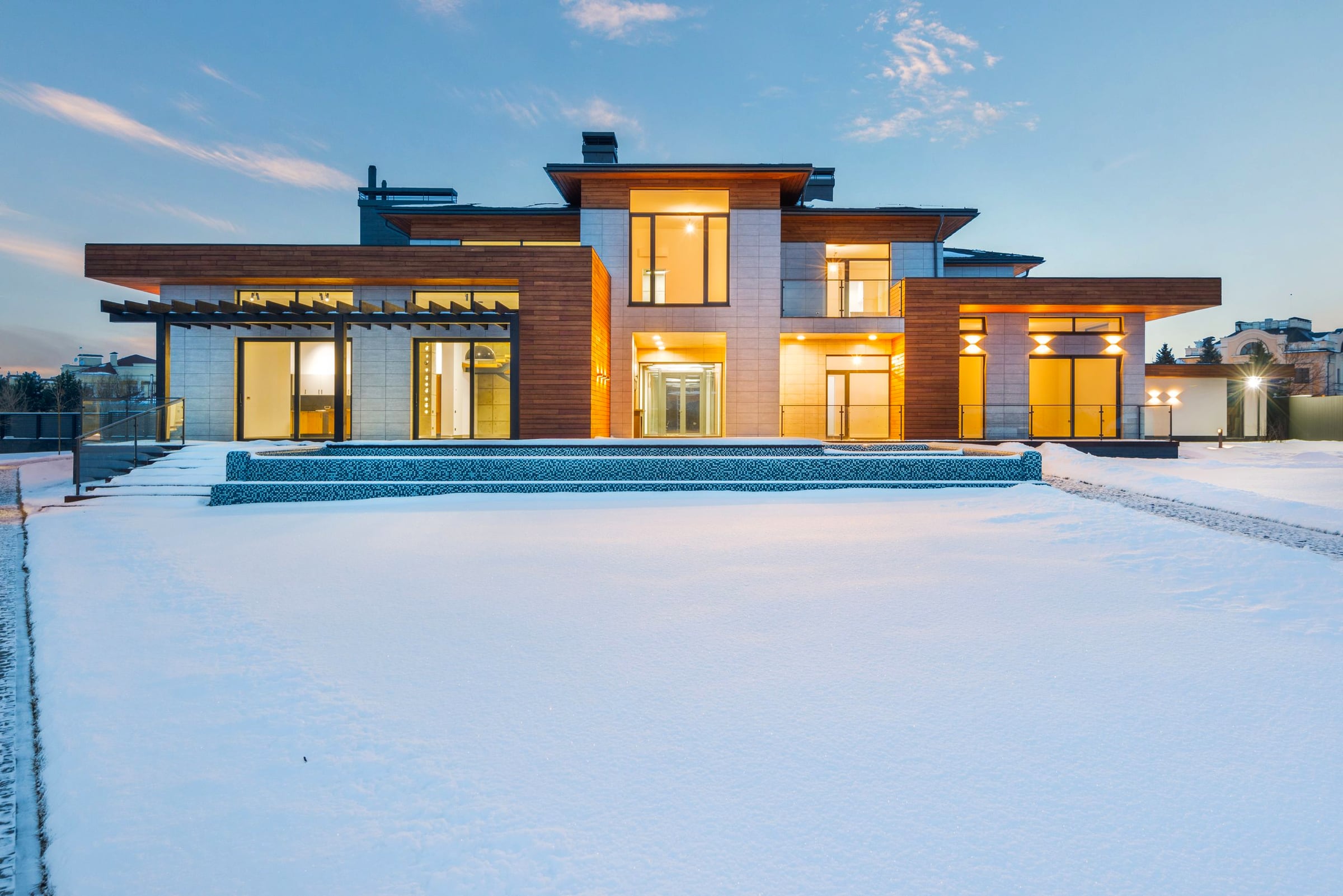
Fibre cement suits Maple Ridge because it is largely indifferent to the four things a forest-edge climate throws at cladding: persistent moisture, deep shade, wildlife, and the occasional interface fire risk that comes with living against the treeline. For homes backing onto greenbelt in Silver Valley, Albion, or along the slopes toward Golden Ears, that indifference is precisely the quality you are shopping for.
The Forest-Edge Problem, Stated Plainly
Maple Ridge sits where the Fraser Valley floor meets the Coast Mountains, and much of its housing pushes into or against second-growth forest. That geography creates a specific set of stresses on exterior walls. Rainfall runs heavier here than in communities nearer the Strait of Georgia, because moist Pacific air lifts against the mountains and wrings itself out over the north side of the valley. Tree cover shades walls and slows drying for days after each system passes. The forest itself contributes debris, insects, birds that drill, and a steady rain of organic litter that feeds moss. And homes at the interface carry wildfire exposure that homes in central Vancouver simply do not think about.
Every cladding material negotiates with that list. Fibre cement negotiates from unusual strength.
Moisture Without Appetite
Fibre cement board is made from cement, sand, and cellulose fibre cured into a dense, dimensionally stable plank. It does not rot. It does not swell and shrink through the wet-dry cycle the way solid wood does, which is what opens joints and breaks paint films on wood-clad homes here. Water sitting against a properly installed and painted fibre cement wall is an event without consequences, which is the right characteristic for a district that spends October through March damp.
This is not a licence for careless installation. The material still relies on correct flashing, gapping, sealed cut edges, and a rainscreen cavity behind it, and it still protects a wood-framed wall that very much can rot. The point is that the cladding itself stops being the weak link. Installed over a ventilated gap as part of a modern assembly, as we cover in our siding installation approach, it gives the wall behind it every chance to stay dry and prove it.
Shade Without Consequence
North-facing walls and tree-shadowed elevations in Maple Ridge can stay visibly damp for long stretches. On wood, that persistent surface moisture shortens finish life and eventually invites decay at joints and board ends. On fibre cement, the same conditions produce at most a cosmetic film of algae that rinses off with soap and a soft brush. The factory-baked finishes on products like James Hardie siding are engineered coatings applied in controlled conditions, and they hold their colour through shade, damp, and UV far longer than site-applied paint manages on wood in this climate.
Wildlife That Loses Interest
Ask anyone with cedar walls near the greenbelt about woodpeckers. Northern flickers and pileated woodpeckers test wood siding for insects and excavate nesting cavities, and carpenter ants treat damp wood trim as an invitation. Wasps chew weathered wood fibre for nest material. Fibre cement offers this entire cast of characters nothing: no food, no soft excavation, no harvestable fibre. For forest-edge lots, that single property saves a category of repair that wood-sided neighbours budget for as a recurring cost.
None of this requires abandoning the look of wood. Modern fibre cement planks carry convincing woodgrain textures, and many of our projects pair it with real cedar siding as an accent at entries and gables, keeping the warmth where you touch and see it daily while the exposed field walls carry the durable material.
Fire Resistance at the Interface
Living against forest means thinking about embers, and exterior cladding is part of a home's wildfire posture. Fibre cement is non-combustible, and fire authorities and FireSmart guidance consistently identify non-combustible cladding as a meaningful factor in structure survivability during interface fires. No siding choice makes a home fireproof, and roofing, vents, and the ten metres of landscaping around the house matter alongside the walls. But when the material on your walls refuses to ignite from ember contact, you have removed one pathway, and in the drier summers this region has been experiencing, that is worth taking seriously.
The Honest Trade-Offs
Fibre cement costs more upfront than vinyl and demands more of its installers: it is heavy, it requires specific cutting practices and dust control, and its warranty conditions assume correct clearances and flashing details. Board ends and penetrations must be detailed properly or the material's advantages are wasted. It is also not the only defensible choice in town; engineered wood siding offers a related durability story with lighter weight, and our materials page compares the field honestly. What fibre cement offers that the alternatives do not quite match is the specific bundle of moisture indifference, pest indifference, and non-combustibility that maps almost point for point onto what a Maple Ridge forest-edge lot demands.
Matching Material to Place
Good siding decisions are local decisions. The same budget buys different value on a sheltered lot in Hammond than on an exposed slope in Silver Valley, and the case for fibre cement strengthens with every metre closer to the trees. If you are weighing options for a home here, we will walk the property with you and give you a material recommendation grounded in your exposure rather than a one-size pitch. Berkana Construction Management installs fibre cement and other claddings throughout Maple Ridge and the wider Lower Mainland. Call (672) 771-6868 or book a consultation to talk through what your walls are actually up against.