
When Is the Right Time of Year to Install Siding in BC?
The realistic installation windows for siding in BC's Lower Mainland, how each season affects the work, and why booking earlier than you think helps.
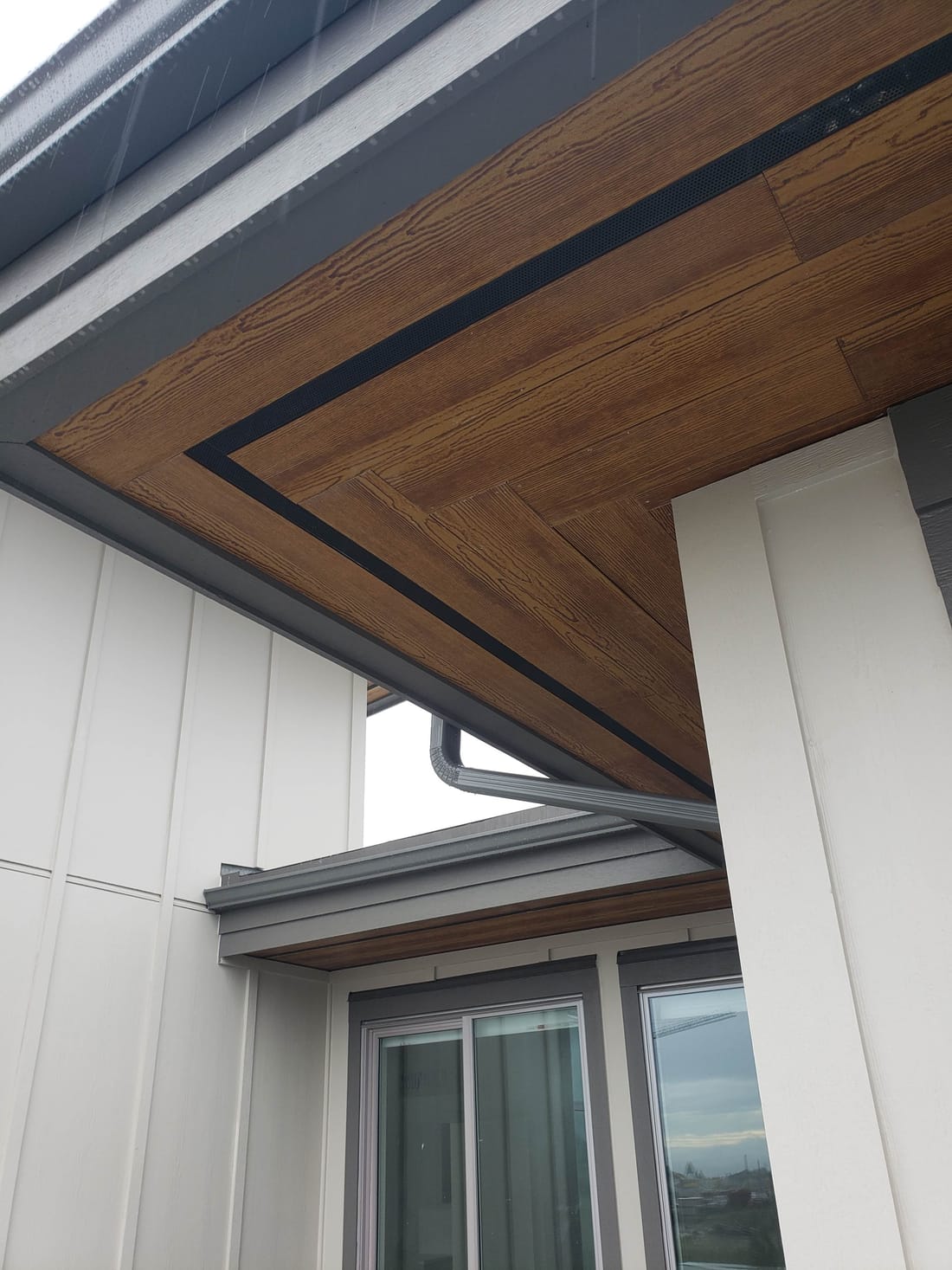
Siding can be installed nearly year-round in the Lower Mainland, and the drier window from late spring to early fall is the most predictable. That is the short version. The longer version is that material choice, wall condition, and contractor availability matter as much as the calendar, and waiting for perfect weather sometimes costs more than working through imperfect weather.
What Our Climate Actually Allows
Coastal BC does not have the brutal freeze that shuts down exterior work in much of Canada. What it has instead is a long, reliable wet season from roughly October through March, punctuated by workable dry stretches, and a warm dry season from roughly May through September. For siding installation, that translates into three practical realities.
First, summer is comfortable but not automatically superior. Second, winter work is feasible with a crew that plans around forecasts, protects open walls with tarping, and sequences the job so no section of wall assembly is left exposed overnight. Third, the shoulder seasons of May, June, and September frequently offer the calmest combination of mild temperatures, moderate rain risk, and easier scheduling.
Season by Season
Spring: The Planning Season That Becomes the Working Season
Early spring still carries real rain, but by May conditions steady out. Spring is also when winter's damage announces itself, so it is a natural time to move from noticing a problem to fixing it. Homeowners who get quotes in February and March generally have their pick of start dates; those who wait until the sun comes out join a queue.
Summer: Reliable, Busy, and Occasionally Too Hot
July and August provide long days and dependable dry runs, which is why they are the busiest months in the trade. The one genuine technical caveat is heat. Vinyl siding moves substantially with temperature, and panels hung during a hot spell must be gapped and fastened with that movement in mind or they will oil-can and buckle when temperatures swing. Cedar and engineered wood prefer not to be finished or sealed in direct scorching sun. None of this stops summer work; it just rewards crews who understand material behaviour.
Fall: The Deadline Season
September is often a gift: settled weather, cooler working temperatures, and materials behaving predictably. October is a race against the first sustained storm systems. Fall projects make particular sense when an inspection has revealed damage you do not want to carry through another wet winter, because the cost of postponing is measured in months of water exposure, not just convenience. If your walls are already showing trouble, a fall siding replacement beats a spring one by an entire rainy season.
Winter: More Possible Than People Assume
Plenty of siding goes up in the Lower Mainland between November and February. Crews watch the forecast, tarp exposed sections, and build weather days into the schedule. Cold snaps impose real limits: many sealants and adhesives have minimum application temperatures, vinyl becomes brittle enough to crack when cut or nailed in freezing conditions, and short daylight compresses the working day. The trade-offs are slower progress and flexible dates; the compensations are shorter booking queues and the fact that a failing wall gets protected now instead of in June.
Material Choices Shift the Calculus
Not every cladding cares about weather equally. Fibre cement is dimensionally stable across temperature swings and installs well in most conditions, though cutting and painting have their own weather preferences. Engineered wood siding handles cool-season installation well but, like all wood-based products, should not be installed saturated, so on-site material storage and covering matter in winter. Vinyl is the most temperature-sensitive of the common options at both ends of the thermometer. Cedar can be installed year-round, but field finishing wants dry, mild conditions, which sometimes means installing in winter and finishing in spring.
A good contractor will walk through these interactions with you rather than quoting a one-size answer, and the materials you are choosing between should be part of the timing conversation from the first site visit.
The Variable Nobody Puts on the Calendar: Wall Condition
All of the above assumes your walls can afford to wait for your preferred season. Sometimes they cannot. Active leaks, spreading rot, storm-torn panels, and exposed sheathing are all situations where the season is whatever season it happens to be, because water is getting into the structure with every rainfall. In those cases the sequence is usually an immediate protective repair, then the full project on the earliest sensible schedule. Deferring a failing wall from November to July does not save money; it converts a cladding project into a cladding-plus-carpentry project.
How to Time It Well
Work backwards from your situation. If your siding is sound and the project is elective, aim your enquiries at late winter for a spring or early summer start, and enjoy the widest choice of dates. If an assessment has found moderate problems, target the earliest dry-season slot available rather than a specific month. If the wall is actively failing, start now regardless of the month and let the contractor manage the weather. In every case, the scarce resource in this region is not installable weather, which we have more of than our reputation suggests, but space on the schedules of crews who do the work properly.
Berkana Construction Management installs siding across Maple Ridge and the Lower Mainland through all four seasons. Tell us what your walls need and when you would like it done, and we will give you a straight answer about the realistic schedule. Call (672) 771-6868 or get in touch to start the conversation.