
Woodpeckers, Wasps and Rot: Pest Damage to BC Siding
How woodpeckers, carpenter ants, wasps and rodents damage siding in BC, what the holes and sawdust are telling you, and how to break the damage cycle.
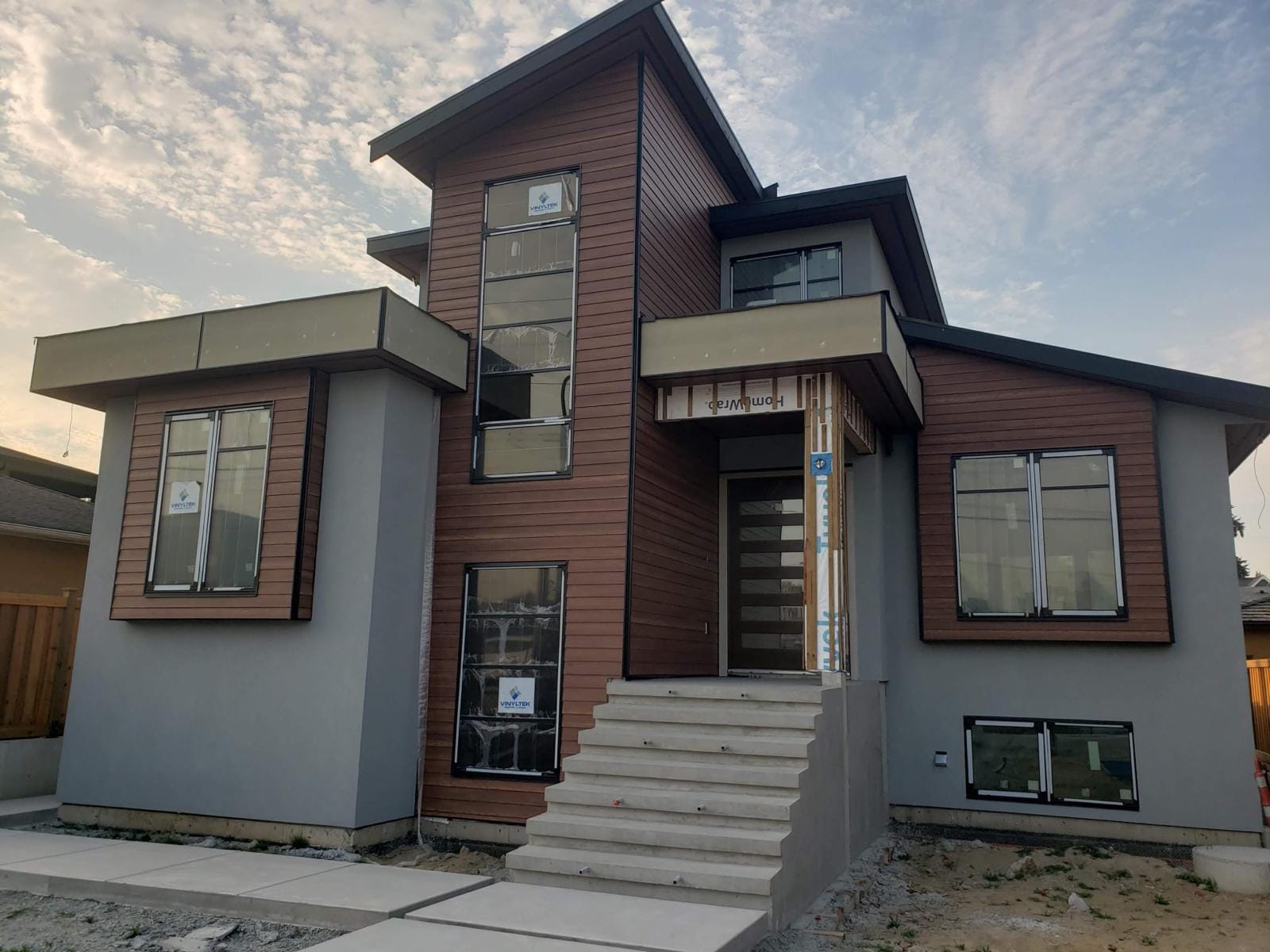
Pest damage to siding almost always tells a two-part story: the animal, and the moisture that invited it. Woodpeckers drill where insects are living, carpenter ants nest where wood is damp, wasps chew weathered fibre, and rodents squeeze through gaps that failing trim provides. Repair the hole without reading the story and the damage returns. Here is how to interpret what BC's wildlife is doing to your walls, and how to make your home a less interesting target.
Woodpeckers: The Loud Ones
If you live near forest or greenbelt anywhere in the Lower Mainland, from Maple Ridge to the North Shore, woodpecker noise on the house needs no description. Northern flickers are the usual culprits, with pileated woodpeckers doing rarer but far more dramatic excavation.
The holes mean different things. Rows of small, shallow pits are feeding exploration. A cluster of drilling concentrated in one spot, especially with enlarging holes, often means the bird hears insect activity inside your wall, and flickers are notably good at finding carpenter ant galleries. A single large, round hole in fall or spring is usually a nest or roost cavity. Rapid rhythmic drumming that produces little damage is territorial signalling, and hollow-sounding trim and fascia boards make irresistible drums.
Respond in this order. First, investigate whether insects are present, because patching over an ant colony guarantees the bird returns. Second, repair holes promptly, since open cavities admit water and other tenants; soft, water-damaged boards should be replaced outright as part of a proper siding repair. Third, deter: reflective tape, streamers, and physical netting over favourite spots have reasonable track records, and timing matters because active nests are legally protected. On chronic problem homes, replacing the attacked elevation with a cement-based cladding removes the drumming board and the food source in one move; it is one reason James Hardie siding is popular on forest-edge lots.
Carpenter Ants: The Quiet Ones
Carpenter ants are the pest most likely to be doing real structural harm while you notice nothing. They do not eat wood; they carve smooth galleries in it for nesting, and they strongly prefer wood that moisture has already softened. That preference makes them a symptom as much as a pest: a thriving colony in your wall is near-certain evidence of a moisture problem in that wall.
Watch for large black or black-and-red ants trooping along foundation lines and up walls, especially at dusk in spring and summer; piles of coarse, woody frass that look like pencil shavings appearing below siding joints or inside the garage; faint rustling in walls on quiet nights; and winged ants emerging indoors in late winter, which signals an established colony. Damage concentrates where wood stays damp: sill areas, window and door framing, trim behind overflowing gutters, and any cladding in ground contact.
Dealing with them is a two-front job. Pest control eliminates the colony. But the lasting fix is drying out the wall, which means finding and correcting the leak, the failed flashing, or the drainage problem that softened the wood, then replacing what the ants hollowed. Skip the moisture correction and the next colony finds the same real estate. Where gutter overflow is the water source, and it frequently is, sorting out the gutters and downspouts is part of the pest treatment whether or not it feels like one.
Wasps and Their Paper Mills
Paper wasps and yellowjackets damage siding two ways. Directly, they scrape and chew weathered wood fibre to make nest pulp, leaving shallow, greyish scoured tracks on cedar fences and siding; the harm is cosmetic but accelerates surface weathering. Indirectly, and more importantly, they nest in wall voids, entering through gaps at trim, soffit intersections, vents, and loose panels. A vigorous in-wall colony enlarges its entrance over a season, and abandoning nests attract other pests and hold moisture against the sheathing.
The prevention is unglamorous: seal the gaps. Every opening a wasp uses is an opening rain uses too, so a careful late-winter caulking and screening pass around the roofline protects the wall on both fronts. Established in-wall nests should be removed by pest professionals before the entry is sealed, because sealing wasps inside a wall sends them looking for an exit through your interior.
Rodents: The Gap Finders
Mice and rats do not attack sound siding, but they are relentless auditors of its weaknesses. A gap the width of a thumb at a corner post, a gnawed-open dryer vent, deteriorated trim at grade, or the unscreened base of a rainscreen cavity all read as doorways. Once inside a wall cavity or crawlspace, rodents shred building paper and insulation and gnaw whatever needs gnawing, including wiring.
Walk the base of your walls annually and after each winter, checking corners, penetrations, vents, and anywhere fascia or trim boards have opened seams. Steel wool and proper vent screening close most routes cheaply. Deteriorated wood at the bottom of walls should be replaced rather than stuffed, because soft wood is a renewable doorway.
The Common Thread Is Moisture
Read back through this list and one factor keeps recurring: damp wood. Ants require it, woodpeckers hunt the insects it hosts, wasps harvest weathered fibre more easily than sound fibre, and rodents exploit the gaps that rot opens. In a climate as wet as coastal BC, pest resistance and moisture management are substantially the same project. Keep water moving off the walls, keep finishes intact, fix small failures fast, and your home drops several places down the neighbourhood target list.
Berkana Construction Management repairs pest-damaged siding and the moisture problems underneath it across Maple Ridge and the Lower Mainland. If something with wings, legs, or a beak has been working on your walls, call (672) 771-6868 or book an assessment and we will sort out both the damage and the invitation.