
The Maple Ridge Homeowner's Exterior Maintenance Calendar
A month-by-month exterior maintenance calendar built for Maple Ridge conditions, covering siding, gutters, trim and drainage through all four seasons.
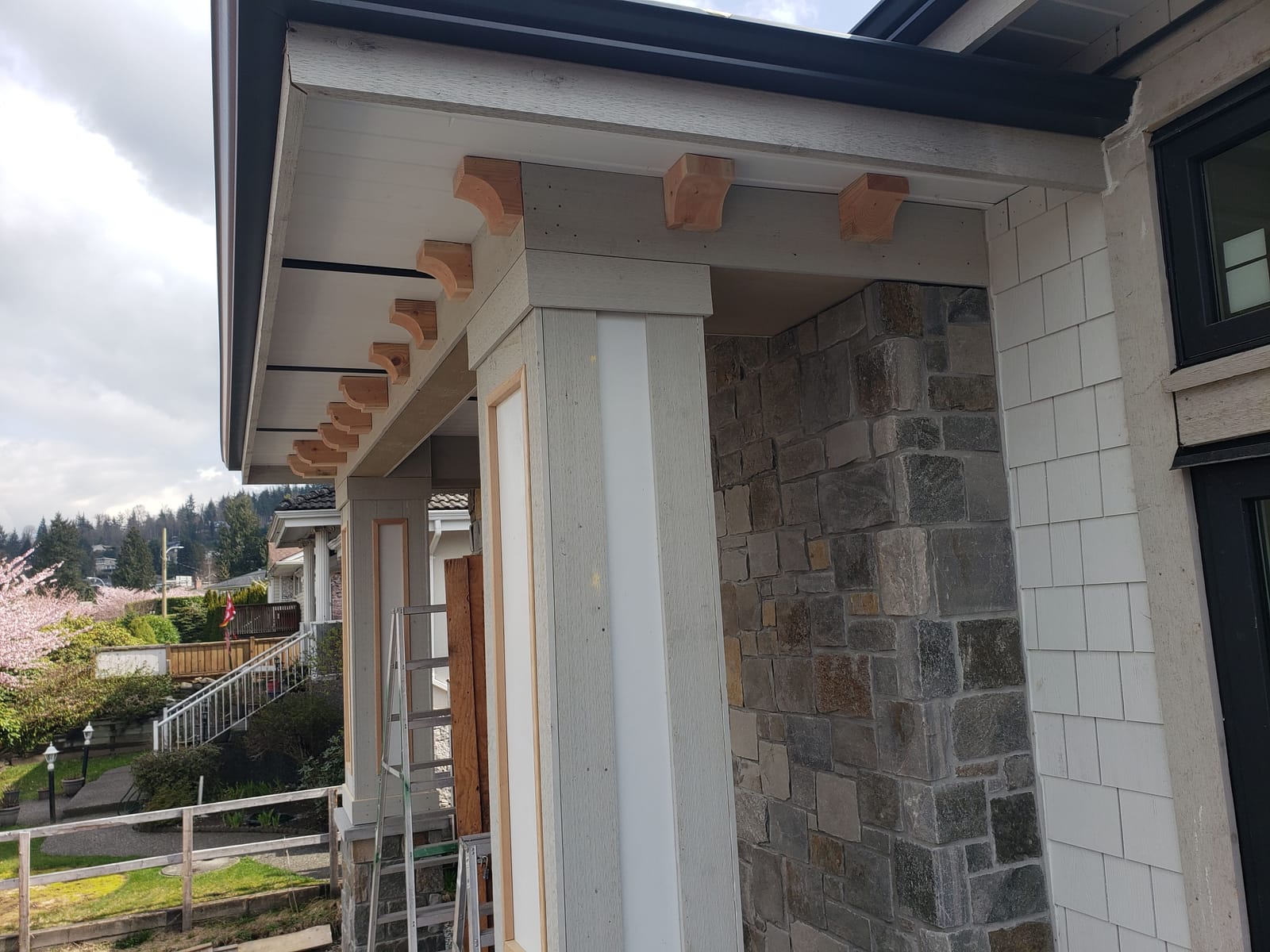
A Maple Ridge exterior runs on a simple annual rhythm: inspect and repair in spring, deep-clean and refinish in summer, clear and seal in fall, monitor through winter. Miss a season and the district's climate, wetter and more forested than most of the Lower Mainland, quietly collects the debt. Here is the full calendar, month by month, tuned to how weather actually behaves between the Fraser River and the Golden Ears.
Why This District Needs Its Own Calendar
Maple Ridge sits where Pacific systems stack up against the Coast Mountains, so annual rainfall here runs noticeably higher than in Richmond or Delta. Add the character of the housing stock, with large treed lots in Silver Valley, Whonnock, and along the rural east side, and you get exteriors that face more water, more shade, more debris, and more wildlife than the regional average. The calendar below is the standard coastal BC rotation with those pressures dialled in.
Spring: March Through May
March: the damage audit. As the storm season winds down, walk the property and record what winter did. Check every wall for loose or cracked cladding, inspect trim and fascia boards for peeling and soft spots, and look up at soffits for shifted panels. Note what the wind left in the yard; branches on the lawn usually mean branches met the house too. Photograph findings so you can compare against last year.
April: drainage and first cleaning. Clear gutters of winter debris and confirm downspouts still discharge away from the foundation. April showers are your free diagnostic tool: during a good rain, walk the house and watch how water moves. Overflows, drips behind gutters, and pooling at the foundation all show themselves in real time.
May: repairs and bookings. Cure anything the audit found while surfaces are drying out. Recaulk failed joints, arrange siding repair for winter damage, and book any larger summer project now, because contractor calendars for July and August fill from May. This is also the month to wash the green film off shaded walls, gently, before it thickens.
Summer: June Through August
June: the deep clean. Soft-wash siding, clean windows and frames, and clear cobwebs and debris from soffit vents so attic airflow is unobstructed heading into the warm months. On forest-edge lots, check ledges and trim tops for the year's first moss and organic buildup.
July: finishes and wood care. The reliable dry stretch is the window for anything that needs cured coatings: restaining cedar, repainting trim, touching up factory finishes per manufacturer guidance. Wood elements on Maple Ridge homes work hard against the moisture load, and finish maintenance is what keeps them from becoming replacement projects. If the peeling is beyond touch-up, our exterior painting crew handles full refinishes in exactly this window.
August: the close look. With everything clean and dry, do the year's most careful inspection. Probe wood trim at joints and board ends, check caulking around every window and penetration, and examine the bottom courses of siding for swelling or staining. Damage found in August can be fixed in September; damage found in November waits out the rain, getting worse.
Fall: September Through November
September: seal and secure. Renew any caulking flagged in August while sealants can still cure in warm, dry conditions. Re-fasten anything loose; the first windstorm will audit your work. Trim vegetation back from walls, remembering that a branch that merely touches siding in September will be scouring it all winter.
October: the drainage deadline. Gutters, downspouts, and drains must be clear before the leaf drop meets the rain. On treed lots this often means two passes, early October and again in November, and it is the single task on this calendar with the worst consequences for skipping. Confirm the ground slopes away from the house and that downspout extensions are in place. Our overview of gutter and downspout setups covers what a system handling Maple Ridge volumes needs.
November: the pre-storm walk. One final circuit before the serious systems arrive. Panels tight, joints sealed, drainage flowing, yard furniture and anything else wind-liftable stowed. From here, your job changes from maintenance to monitoring.
Winter: December Through February
December through February: watch and respond. After each significant windstorm, do a perimeter walk and look for lifted panels, dropped branches, and new gaps at trim. During heavy rain, glance at gutter behaviour and check interior walls and window returns for any new staining or damp smells, which are early notices of water finding a path. Winter is also the honest season for planning: walls show their drainage patterns, and problems announce themselves. If something needs professional eyes, book it; assessment and many repairs proceed fine in winter, and queues are short. For a framework on judging what winter reveals, see the siding page or arrange an inspection.
The Meta-Rule: Small and Soon Beats Big and Later
Every entry above serves one principle. In a climate that delivers water to your walls for five months straight, the cost of exterior problems compounds with time in the queue. A caulking joint fixed in September is trivial. The same joint ignored until March may have fed water into sheathing all winter. Homeowners who run this calendar spend modestly and predictably; homeowners who skip it spend rarely but painfully.
Berkana Construction Management is based in Maple Ridge and maintains, repairs, and replaces exteriors across the district and the wider region; see what we do locally on our Maple Ridge siding page. If your calendar has fallen behind, or an inspection is due, call (672) 771-6868 or book a visit and we will help you catch up before the weather does.