
Insulated Siding Options for BC: What Actually Improves Comfort
Insulated siding options for BC homes compared: exterior rigid insulation, foam backed vinyl and airtightness fixes, and which upgrades you can feel.
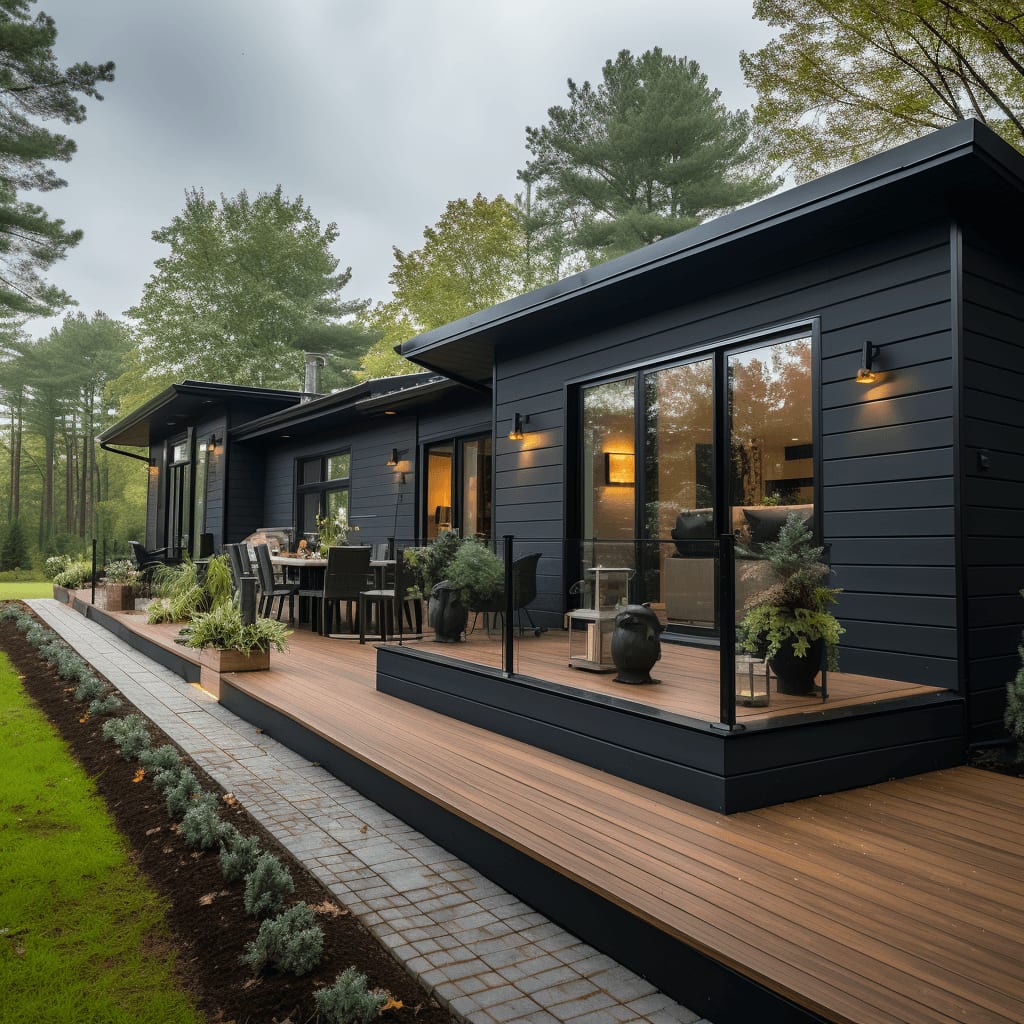
The insulated siding upgrades that genuinely change comfort in a BC home are, in order: airtightness improvements made while the wall is open, continuous exterior rigid insulation under the new cladding, and then insulated cladding products themselves. Foam backed vinyl adds a modest boost, but the meaningful gains come from wrapping the whole wall in an unbroken insulation layer that stops heat escaping through the studs. Recladding is the one affordable moment to do it.
What Homeowners Are Really Asking For
When someone asks about insulated siding, the underlying complaints are usually specific: rooms on the north side that never warm up, walls that feel cold to sit near in January, drafts around outlets on exterior walls, or heating bills that climb every winter. Those symptoms have three separate causes, and each responds to a different fix. Sorting them out prevents paying for the wrong upgrade.
Cold wall surfaces come from insufficient insulation value and from thermal bridging through framing. Drafts come from air leakage, gaps in the air barrier, not from insulation levels at all. Uneven rooms usually combine both, plus duct and window issues.
Siding work can address the first two directly, which is why the recladding moment matters so much.
Option One: Continuous Exterior Insulation
This is the heavyweight. Rigid boards, mineral wool or rigid foam, go over the sheathing and water resistive barrier, strapping goes over the boards to create the rainscreen cavity, and the new cladding attaches to the strapping. Any siding material can go over it: fibre cement, vinyl, engineered wood or aluminum panels.
Why it outperforms everything else
Wood framing runs through a typical wall every 400 or 600 millimetres, and every stud is a thermal bridge, a highway for heat that bypasses the batt insulation between studs. A significant share of a framed wall is solid wood once you count plates, headers and corners. Continuous insulation blankets all of it, which is why a modest thickness outside outperforms a larger thickness stuffed between studs.
There is a durability bonus that matters in our climate: exterior insulation keeps the sheathing warmer through winter, and warmer sheathing stays drier, because it spends less time below the temperature where moisture from indoor air condenses. Comfort and wall longevity improve together. Our exterior insulation service page covers the assemblies we build.
When it makes sense
Almost always when the siding is coming off anyway. As a standalone project it rarely justifies itself, but bundled into a siding replacement, the incremental work is the insulation boards and slightly deeper trims and flashings. Homes built before the 1990s, with minimal wall insulation and plenty of framing, feel the difference most dramatically.
Option Two: Airtightness While the Wall Is Open
Insulation slows heat conduction; it does nothing about the outside air leaking through gaps in the envelope. With the cladding stripped, a crew can tape and seal the sheathing or the water resistive barrier into a continuous air barrier, seal around window and door openings and penetrations, and eliminate the leak paths that make a house feel drafty at the same thermostat setting.
This is the least glamorous upgrade and often the one occupants notice first, because moving air is what skin perceives as cold. It pairs naturally with window upgrades; if aging units are on the list, coordinating windows and doors with the recladding lets flashing and air sealing integrate properly instead of being patched at the joints later.
Option Three: Insulated Cladding Products
Insulated vinyl siding bonds contoured foam to the back of the panel. The foam adds a modest layer of thermal resistance, and just as usefully, it stiffens the panel: insulated vinyl lies flatter, sounds more solid and resists impacts better than hollow panel. For a vinyl budget project, it is a worthwhile step up.
Some aluminum and composite panel systems achieve a similar effect through their mounting structure, and any cladding installed over exterior rigid boards effectively becomes insulated siding regardless of the product name on the box.
The honest framing: insulated cladding is a refinement. It will not transform a cold house by itself, and marketing that suggests otherwise oversells the layer. Treat it as a bonus layered over a well designed wall, not a substitute for one.
What Improvement Should You Expect?
A realistic hierarchy for a typical older Lower Mainland home being reclad:
- Air sealing plus continuous exterior insulation: the walls stop feeling cold, drafts diminish noticeably, rooms even out, and heating systems cycle less through our long damp winters.
- Continuous insulation alone: clearly warmer wall surfaces and steadier temperatures.
- Insulated vinyl alone: a modest but real improvement, plus a sturdier looking wall.
- New cladding with no insulation work: better weather protection and appearance, little comfort change.
Where your project should land depends on the existing wall, which is why we open the conversation by finding out what is actually inside yours. A 1975 rancher with uninsulated corners and a 2010 build with full batts and housewrap call for entirely different plans, and spending the budget on the layer your wall is missing is the whole game. The broader decision of repair versus full replacement is covered on our siding overview.
Berkana Construction Management builds insulated wall assemblies as part of recladding projects across Maple Ridge and the Lower Mainland. Call (672) 771-6868 or book an assessment to find out what your walls are working with and which upgrade you would genuinely feel.